What Is Psilocybin? A Clear, Grounded Guide "Magic Mushrooms"
Psilocybin — aka. "magic mushrooms" — has moved from the fringes to the frontier of mental-health science, carrying real promise and plenty of myths. This guide gives you the grounded version: what psilocybin is, how it works in the brain, what the latest clinical trials really show, the risks that matter, and where it's legal in 2026.
Karina Allen
|
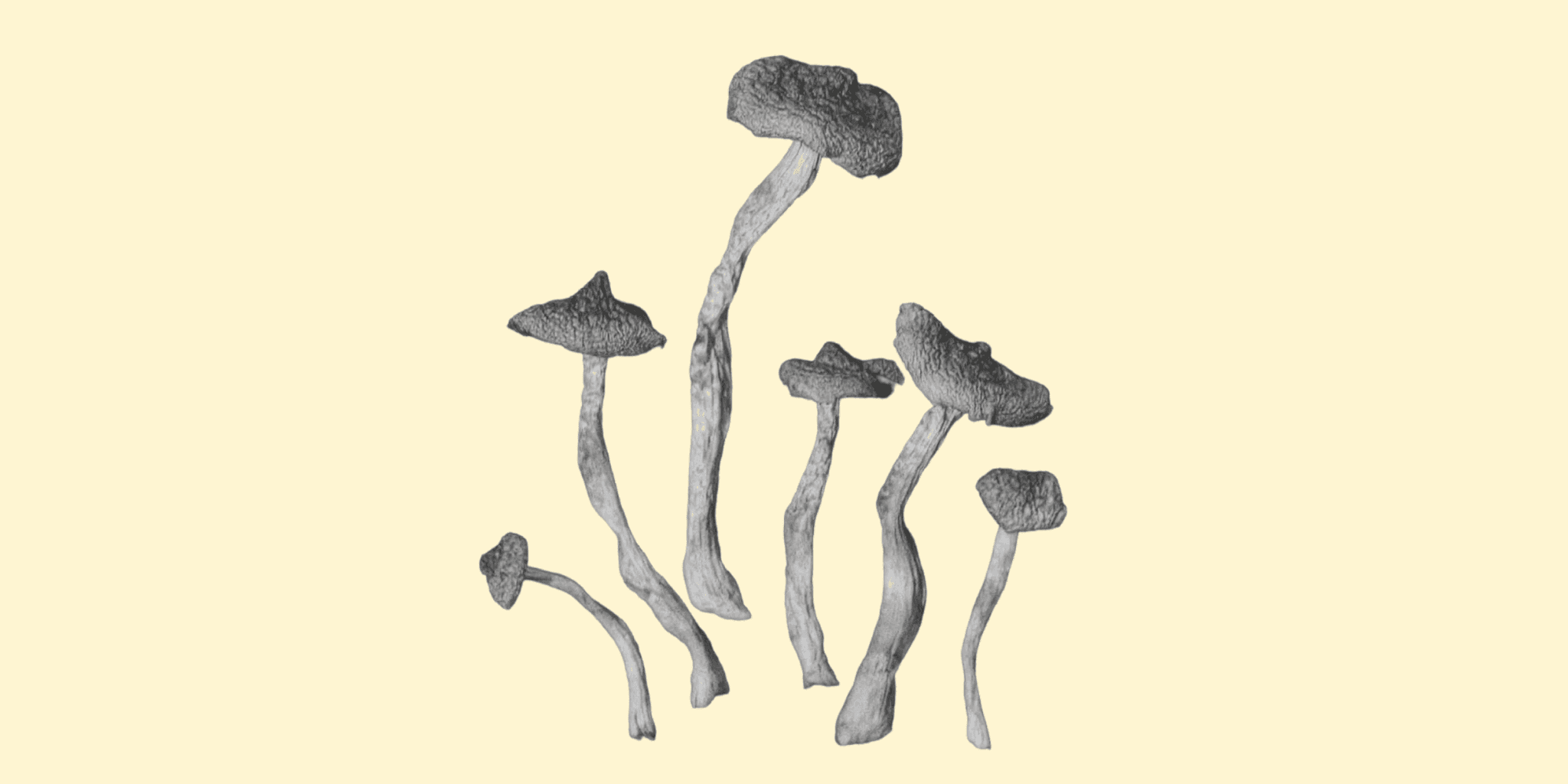
Psilocybin has gone from counterculture curiosity to one of the most closely studied compounds in mental health. If you've heard the headlines about "magic mushrooms" treating depression and wondered what's real, what's hype, and what actually happens when someone takes it, this guide is for you.
We'll keep it honest and grounded — no fear-mongering, no overselling. Just what psilocybin is, what the research shows so far, the risks worth taking seriously, and where the law currently stands.
Key takeaways
Psilocybin is the psychoactive compound in "magic mushrooms." Your body converts it to psilocin, which acts on serotonin receptors and temporarily loosens rigid patterns of thought.
Two large Phase 3 trials (2025–2026) found it significantly reduced treatment-resistant depression. It holds FDA "breakthrough therapy" status but is not approved yet.
It's physiologically low-risk and non-addictive — but not risk-free. Set, setting, and support matter enormously.
In the U.S. it's federally illegal, with regulated adult access in Oregon and Colorado.
What is psilocybin?
Psilocybin is a naturally occurring psychedelic found in more than 100 species of mushrooms — the group most people call "magic mushrooms" or "shrooms," and which scientists usually place in the genus Psilocybe. Cultures across Mesoamerica used these mushrooms in ceremony for thousands of years long before Western science gave the molecule a name.
Psilocybin itself is inactive. Once you ingest it, your body rapidly converts it into psilocin, the molecule that actually produces the experience. Psilocin looks a lot like serotonin, the neurotransmitter tied to mood, and that resemblance is the key to nearly everything psilocybin does.
How psilocybin works in the brain
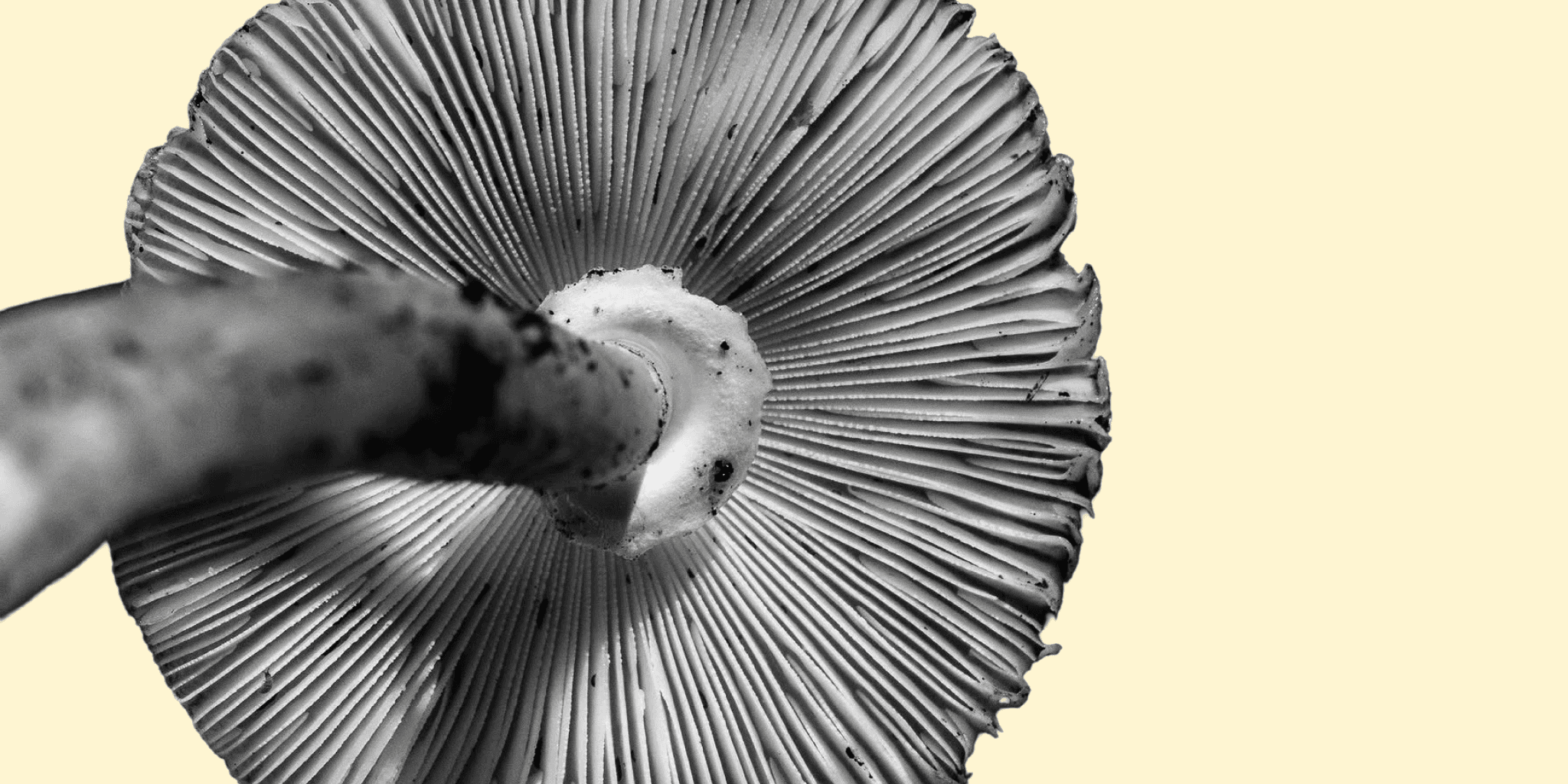
Psilocin binds to a specific serotonin receptor (the 5-HT2A receptor) found throughout the cortex. When it does, it changes how different brain regions talk to each other.
One of the most consistent findings is that psilocybin quiets the default mode network — the set of regions associated with our habitual sense of self, rumination, and autopilot thinking. As that network softens, parts of the brain that don't usually communicate start to connect more freely. Researchers often describe this as a temporary loosening of rigid patterns, which may open a short window of increased neuroplasticity — a chance for the mind to form new associations. It's one reason people frequently describe insights that feel both surprising and obvious at once.
What a psilocybin experience is actually like
Effects usually begin 20 to 60 minutes after ingestion, peak around the two-hour mark, and taper off over roughly four to six hours. Most people feel largely back to baseline by the end of the day, though a sense of afterglow or openness can linger.
The experience varies enormously, but common threads include shifting visual perception (brightened colors, drifting or "breathing" patterns), waves of emotion, a distorted sense of time, and a feeling of connection or meaning. At higher doses, people may experience "ego dissolution" — a temporary loosening of the boundary between self and surroundings.
Not every moment is pleasant. Anxiety, confusion, or a confronting "challenging experience" (sometimes called a bad trip) can surface, especially at higher doses or in an unsettled environment. This is exactly why set (your mindset) and setting (your physical and social environment) are considered as important as the mushroom itself.
Understanding psilocybin mushroom doses
Dose shapes the experience more than almost anything else, and the same amount can affect two people very differently depending on body chemistry, mushroom potency, and tolerance. Broadly, the community and researchers describe a spectrum:
Microdose — a sub-perceptual amount, too small to cause noticeable effects.
Low / "museum" dose — mild sensory shifts while remaining functional.
Moderate dose — the fuller, immersive psychedelic experience used in most clinical trials.
High / "heroic" dose — intense and immersive, with a much higher chance of difficulty.
This is orientation, not a protocol. Because potency and individual sensitivity vary so widely, there's no truly "standard" dose outside a controlled setting.
What the research actually shows
The modern evidence base is young but growing quickly, and the most striking results are in mental health.
Depression. In 2025 and 2026, COMPASS Pathways reported that two Phase 3 trials of its synthetic psilocybin (COMP360) met their primary endpoints for treatment-resistant depression — the largest trials of their kind to date, with hundreds of participants. A single 25 mg dose produced rapid, statistically significant drops in depression scores, with benefits sustained for up to 26 weeks in the first trial. Earlier work at Johns Hopkins and Imperial College London pointed in the same direction.
End-of-life distress. Landmark 2016 trials at Johns Hopkins and NYU found that a single dose significantly reduced depression and anxiety in people facing life-threatening cancer, with effects that lasted months.
Addiction. Small pilot studies suggest promise for smoking cessation and alcohol use disorder, though these remain early.
Importantly, psilocybin holds FDA breakthrough therapy designation, and in 2026 U.S. regulators moved to fast-track psychedelic therapies. But it is not yet FDA-approved and remains a Schedule I substance. Nearly all of this research pairs the dose with psychological support — the medicine and the therapeutic container work together, not in isolation.
Microdosing: promise vs. evidence
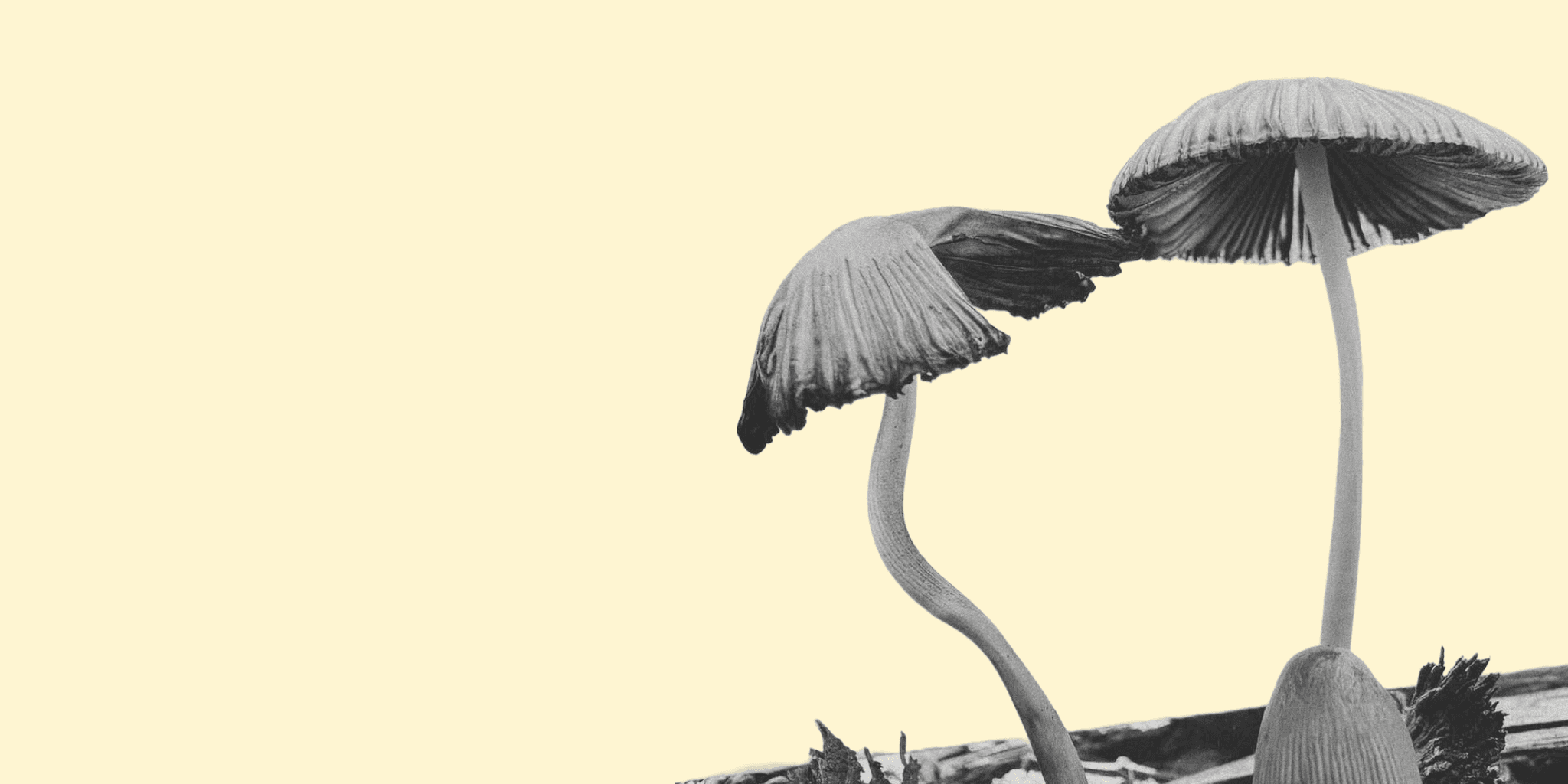
Microdosing — taking tiny, sub-perceptual amounts on a schedule — is wildly popular, with users reporting sharper focus, better mood, and more creativity. It's a genuinely interesting area. But the science is still catching up: several placebo-controlled studies suggest that much of the reported benefit may be driven by expectation rather than the compound itself. The honest answer today is that microdosing is promising but unproven, and worth approaching with curiosity rather than certainty.
Risks, safety, and who should be cautious
Physiologically, psilocybin is considered one of the lower-risk psychoactive substances. It's not addictive, has no known lethal dose in typical use, and large surveys (including the Global Drug Survey) have found it produces one of the lowest rates of emergency medical treatment of any recreational drug.
That doesn't mean it's for everyone. The real risks are largely psychological, and they matter:
Challenging experiences — intense fear, paranoia, or distress, most likely at high doses or in an unsupportive setting.
Mental-health history — people with a personal or family history of psychosis or bipolar disorder are generally advised to avoid psychedelics, which can trigger or worsen these conditions.
Medication interactions — psilocybin can interact with some psychiatric medications. Lithium, in particular, has been linked to dangerous reactions, and other medications may blunt or alter effects. This is a conversation for a qualified professional.
HPPD — lasting perceptual changes are possible but rare.
Harm reduction is the throughline here: the goal isn't to promise safety, it's to reduce avoidable risk through preparation, honesty, and support.
Myths vs. facts
"Mushrooms damage your brain or put holes in it." No. This originates from misinformation about a different drug (MDMA) and isn't supported by evidence for psilocybin.
"Psilocybin is addictive." It isn't physically addictive, and tolerance builds so fast that taking it on consecutive days does little.
"A bad trip means something is wrong with you." Difficult experiences are common and often meaningful — they're a reason to have support, not a sign of damage.
Is psilocybin legal?
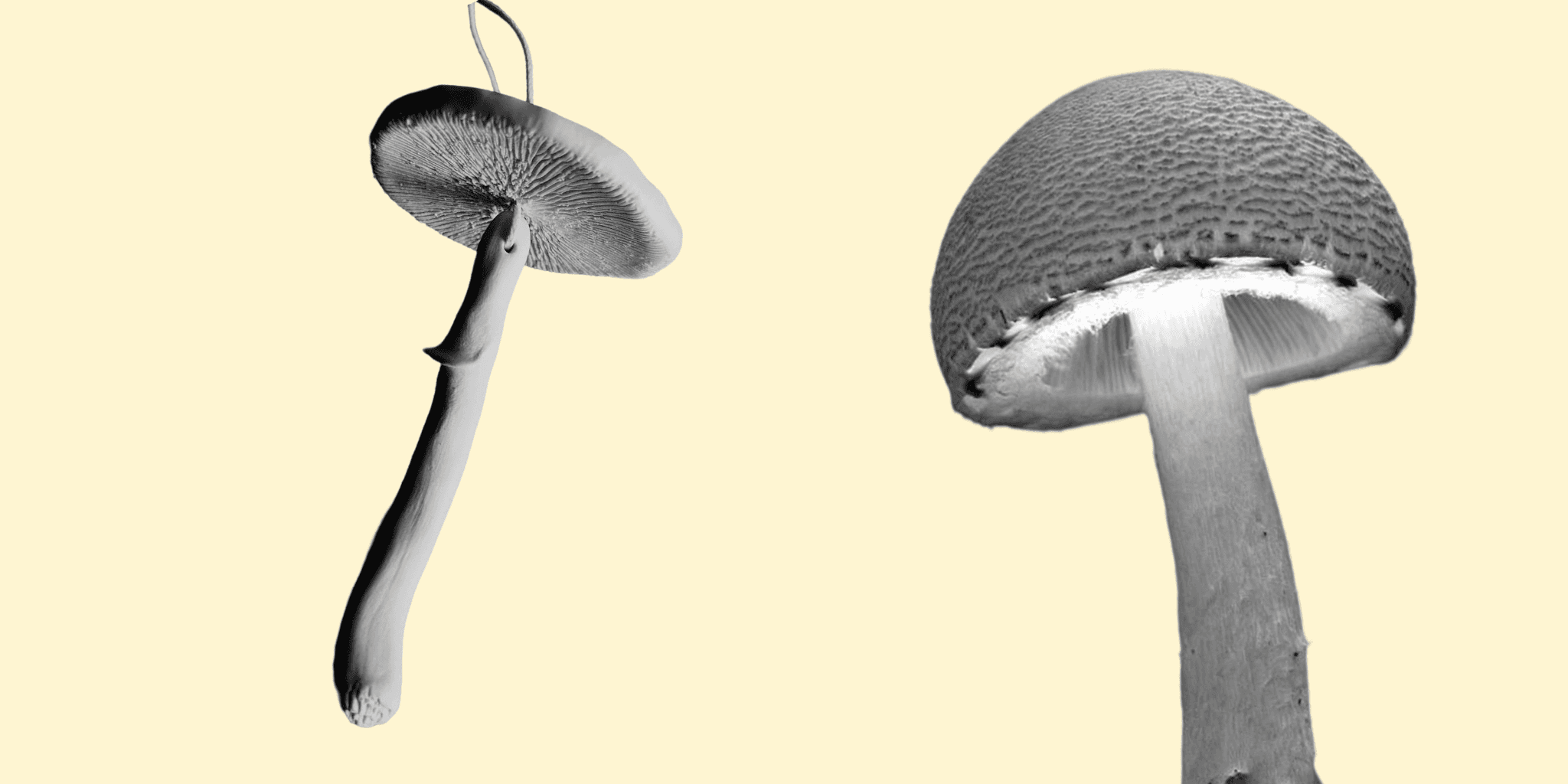
In the United States, psilocybin remains federally illegal as a Schedule I substance. But the landscape is shifting fast at the state and local level:
Oregon launched the country's first regulated system in 2023, offering supervised psilocybin sessions at licensed service centers.
Colorado followed in 2024 with licensed "healing centers" and decriminalized personal use of natural psychedelics.
Cities including Denver, Oakland, and others have decriminalized possession, and more than a dozen states have active legislation under review.
Internationally, psilocybin is legal or tolerated in places like the Netherlands (via truffles) and Jamaica, with medical or clinical access in countries such as Australia, Canada, and Switzerland. A crucial nuance: "legal" almost always means supervised, licensed access — not a green light for unregulated use.
Why support and setting matter
If there's one theme that runs through both the research and the traditions, it's that psilocybin rarely does its best work alone. The dose is only part of the picture. Preparation beforehand, a safe and intentional setting, and integration afterward — making sense of the experience so any insight actually translates into your life — are what tend to separate a meaningful experience from a merely intense one.
This is where a trained, vetted guide can help: not to direct your experience, but to help you prepare, stay safe, and integrate what surfaces. Guides who do this work well tend to make fewer promises, not more.
If you're exploring whether guided, psychedelic-informed support might be a fit, Guides Collective offers a low-pressure, confidential way to start. There's no pressure to decide anything today — just a grounded place to begin.
Frequently asked questions
How long does a psilocybin experience last? Most experiences last four to six hours, with effects beginning within the first hour and peaking around two hours in.
Is psilocybin addictive? No. Psilocybin is not considered physically addictive, and rapid tolerance makes frequent use ineffective.
Is psilocybin legal where I live? It's federally illegal in the U.S., but Oregon and Colorado offer regulated adult access, and several cities have decriminalized it. Laws vary widely, so check your local regulations.
This article is for educational purposes only and is not medical or legal advice. Psilocybin is illegal in many places; nothing here is intended to encourage illegal activity.
Learn More

Join our newsletter
No spam, unsubscribe anytime.